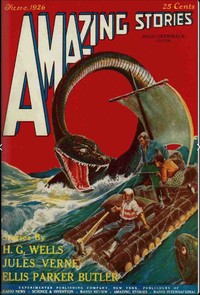
The end of the world, imagined again and again across a century.
Humanity has always been drawn to its own ending. This journey gathers the great early visions of the last days — plague, wilderness reclaiming the cities, poison skies, a wandering star. Read in order, they trace how the apocalypse shifted from divine judgement to cosmic indifference: the universe, it turns out, was never watching us at all.
Sign in to track your progress through this journey.
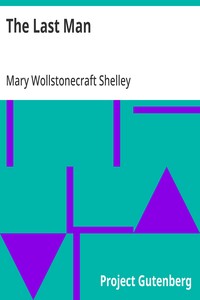
Mary Shelley, 1826 — the mother of the genre. A plague empties the world until one man walks its ruins alone. Still one of the most desolate books ever written.
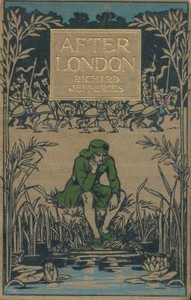
Jefferies imagines England reverting to forest and barbarism, London a poisoned swamp. The first great vision of nature RECLAIMING the modern world.

Shiel's poison cloud sweeps the Earth and leaves a single survivor to wander a silent planet. Feverish, purple, unforgettable — the apocalypse as delirium.

A quieter, closer dread: the doom of a single city. The end doesn't always come for everyone at once — sometimes it just comes for London.