Six golden-age stories, chosen for the art that announced them.
Before you read a word, a cover made you a promise. In the 1950s the science-fiction magazines competed on their front pages, painted worlds of ringed planets and chrome rockets and improbable aliens, art built to stop you dead at the newsstand. Most of these stories long ago slipped into plain-text obscurity, their covers lost. Here they are again, art and all. Every stop on this path wears its authentic, original cover, not a placeholder. Judge these books, for once, exactly by their covers.
Sign in to track your progress through this journey.
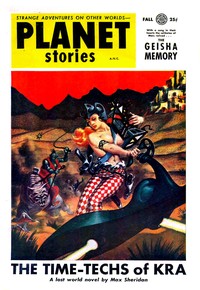
“"Phone Me in Central Park"” — James V. McConnell, 1954. Look at the cover before you read a line: that painted promise is why a reader once reached for it at the newsstand. Now read on, and see whether the story keeps it.
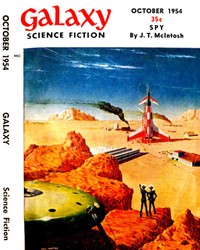
“$1,000 a Plate” — Jack McKenty, 1954. Look at the cover before you read a line: that painted promise is why a reader once reached for it at the newsstand. Now read on, and see whether the story keeps it.
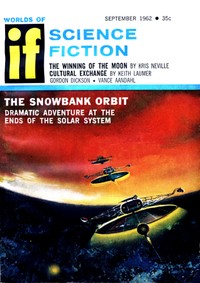
“1,492,633 Marlon Brandos” — Vance Aandahl, 1962. Look at the cover before you read a line: that painted promise is why a reader once reached for it at the newsstand. Now read on, and see whether the story keeps it.
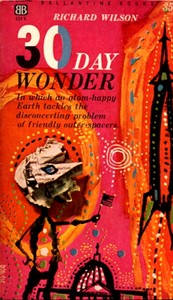
“30-day wonder” — Richard Wilson, 1960. Look at the cover before you read a line: that painted promise is why a reader once reached for it at the newsstand. Now read on, and see whether the story keeps it.
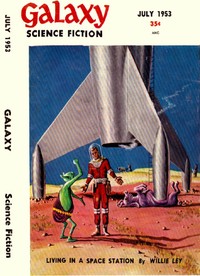
“A Bad Day for Sales” — Fritz Leiber, 1953. Look at the cover before you read a line: that painted promise is why a reader once reached for it at the newsstand. Now read on, and see whether the story keeps it.
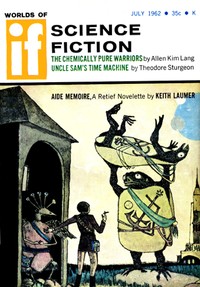
“A Bad Town for Spacemen” — Robert Scott, 1962. Look at the cover before you read a line: that painted promise is why a reader once reached for it at the newsstand. Now read on, and see whether the story keeps it.